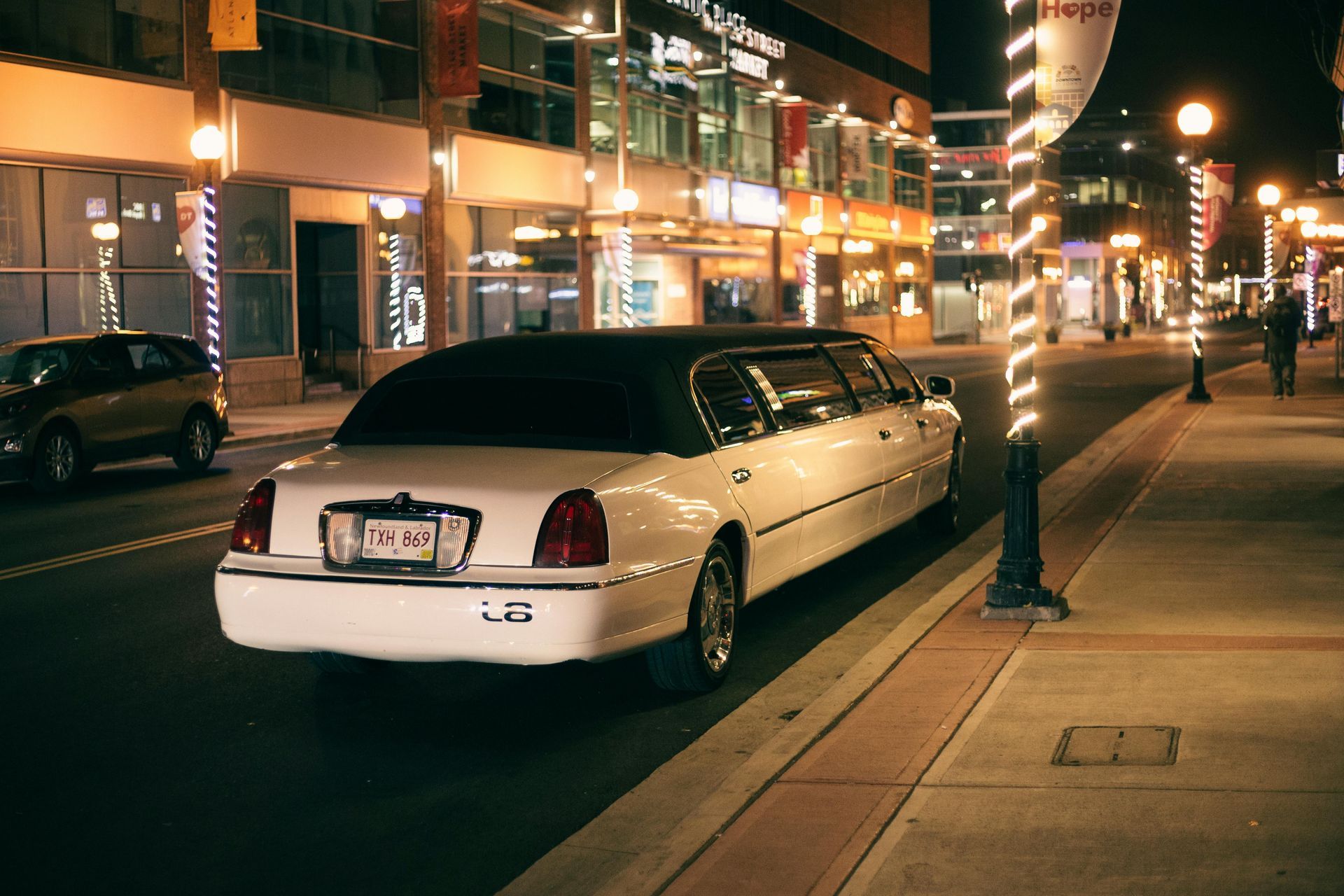
Weddings and grand celebrations are made up of smoothly unfolding moments, where guests arrive relaxed, schedules stay intact, and the overall experience feels intentionally organized. Transportation is often one of the least visible elements of an event, yet it has a direct influence on how smoothly everything progresses. Seamless transit keeps the mood upbeat and focused on the celebration. Poorly planned transportation can introduce delays, confusion, and unnecessary stress. Thoughtful planning ensures here that logistics support the celebration rather than compete with it.
Every stage of a wedding or large gathering is influenced by transportation, from start to finish. Managing vehicles, schedules, and guest groups demands careful planning and expertise. High-end transportation prioritizes comfort, efficiency, and professional service. With intentional transportation planning, hosts can enjoy the event without worrying about logistics. Careful transportation planning creates a smooth, organized, and unforgettable experience.
Evaluating Your Event’s Transportation Needs
Planning transportation effectively requires a clear understanding of the event’s scale. This includes the number of attendees, the sequence of activities, and the movement required between each venue. Weddings and large events frequently involve ceremonies, receptions, photo sessions, and after-event gatherings. Each transition introduces timing considerations that must be addressed in advance. Identifying these elements early helps prevent last-minute complications.
At this stage, The Good Life Transportation Company carefully assesses transportation integration into the event. Potential timing conflicts, guest flow, and bottlenecks are analyzed for smooth transitions. This level of assessment allows transportation plans to feel natural and unobtrusive. Foreseeing obstacles ensures seamless execution. Ultimately, transportation is coordinated to match the event’s pace and expectations.
Establishing a Practical and Efficient Transportation Timeline
Maintaining consistency requires a clear and structured transportation timeline. The schedule includes pick-up windows, travel times, extra buffers, and departures. Buffer periods help absorb small delays and maintain flow. When timing is carefully planned, each segment of the event flows smoothly into the next. Guests enjoy the event more when transportation is organized and reliable.
Coordinating the transportation timeline with the event ensures smooth flow. Collaboration with planners and organizers ensures that transportation complements key moments rather than conflicts with them. This alignment reduces confusion and supports efficient communication across all teams involved. A common timeline permits timely adjustments if needed. Consistency in scheduling reinforces confidence and professionalism throughout the event.
Enhancing Guest Comfort During Every Transition
Transportation is judged largely by how comfortable guests feel during transitions. Guests appreciate comfortable, smooth, and well-managed transportation. Comfortable arrivals allow guests to focus on the event and participate more fully. Transportation should feel like a continuation of the event’s hospitality. Guest-focused transportation shows attention to detail and concern for attendee experience.
Beyond physical comfort, clarity and organization also shape the guest experience. Well-marked pickup points and structured boarding minimize stress and confusion. Guests appreciate knowing where to go and what to expect at each stage. Emphasis on intuitive transitions helps minimize stress. Such planning leaves guests with a lasting impression of quality and care.
Coordinating Multiple Guest Groups Efficiently
Weddings and large gatherings typically have several groups with distinct transportation needs. Guest categories, including family, wedding parties, and other attendees, may have differing routes or schedules. Proper coordination ensures each group’s needs are accounted for without overlap. Meeting each group’s needs while maintaining the event timeline is critical. Segmenting groups properly helps maintain organized and timely transit.
Managing these distinctions requires structured coordination and clear communication. Drivers and event coordinators collaborate to ensure each group arrives on time and accurately. Guests enjoy effortless transitions while the planning behind the scenes runs efficiently. This behind-the-scenes organization supports a cohesive event flow. Careful attention to group logistics reduces confusion and prevents delays.
Maintaining Reliability Throughout the Event
Reliability is essential when transportation supports a structured event schedule. Weddings and large gatherings depend on punctual arrivals to keep ceremonies, receptions, and activities on track. Reliable service prevents transportation from becoming a logistical burden. Guests and hosts alike benefit from dependable service. Reliability reinforces trust in the overall event plan.
Professionalism and advance planning are key to ensuring dependable service. Vehicles and chauffeurs are scheduled with close attention to timing and readiness. Each transfer is managed carefully to preserve the event’s rhythm. Organized planning helps prevent delays and keeps transitions smooth. Maintaining consistent service ensures the event progresses as planned.
Incorporating Transportation Seamlessly Into Event Planning
Considering transportation as part of the overall event design enhances its effectiveness. The style and flow of transportation can complement the atmosphere of the celebration. Integration with scheduling, décor, and guest flow maximizes the impact of transportation. Intentional planning ensures that arrivals and departures feel purposeful. This integration elevates the perceived quality of the event.
Optimal transportation supports the event’s intended design and flow. Transportation timing should complement the event schedule without disruption. Proper synchronization creates a professional and polished atmosphere. Guests notice when every detail feels connected. Well-planned transit is part of the overall celebratory experience.
Coordinating Event Conclusions and Guest Departures
Ending an event smoothly is as significant as starting it well. Efficient exit planning ensures guests depart stress-free. Detailed departure planning minimizes confusion and traffic at the event’s end. Guests appreciate a smooth and organized exit after a long and meaningful event. The last transition contributes heavily to the guests’ overall perception.
Even after the main event, transportation demands careful planning. Coordinated departures ensure that guests are supported through the final moments of the event. Maintaining the same attention to detail at the end emphasizes professionalism. Ending the event smoothly reflects the quality of planning throughout the day. Even at the final stage, transportation plays an essential role.
Why Transportation Planning is Crucial for Events
Transportation planning is a strategic component that influences the success of weddings and large events. Properly managing schedules, comfort, and coordination strengthens overall event flow. Every transport movement contributes to event rhythm and guest experience. When transportation is planned with intention, it enhances the overall experience. A well-organized transportation strategy supports a confident and seamless event.
At The Good Life Transportation Company, we emphasize precision, reliability, and first-class service for every event. Focus is on coordinating transportation, maintaining reliability, and enhancing guest experiences at all times. Transportation is treated as an essential element of the event, not an afterthought. This commitment supports seamless celebrations and well-executed transitions. Thoughtful planning ensures transportation contributes meaningfully from beginning to end.